Introduction
Have you ever wondered how to read ESR tubes accurately? The erythrocyte sedimentation rate (ESR) test is a simple yet essential blood test that helps detect inflammation in the body, which can indicate infections, autoimmune disorders, or other medical conditions. Understanding how to read an ESR tube correctly is crucial for obtaining reliable results and making informed clinical decisions. In this article, we will guide you through the proper steps of ESR tube reading, explain key factors that can affect measurements, and highlight the advantages of using SKGMED ESR tubes. With SKGMED’s high-quality ESR tubes, laboratories and healthcare professionals can ensure consistent, precise, and reproducible results, making it easier to monitor patient health and detect potential issues early. Whether you are a lab technician, medical student, or healthcare provider, this guide will provide clear, practical insights into ESR tube reading and how to maximize accuracy with the right tools.
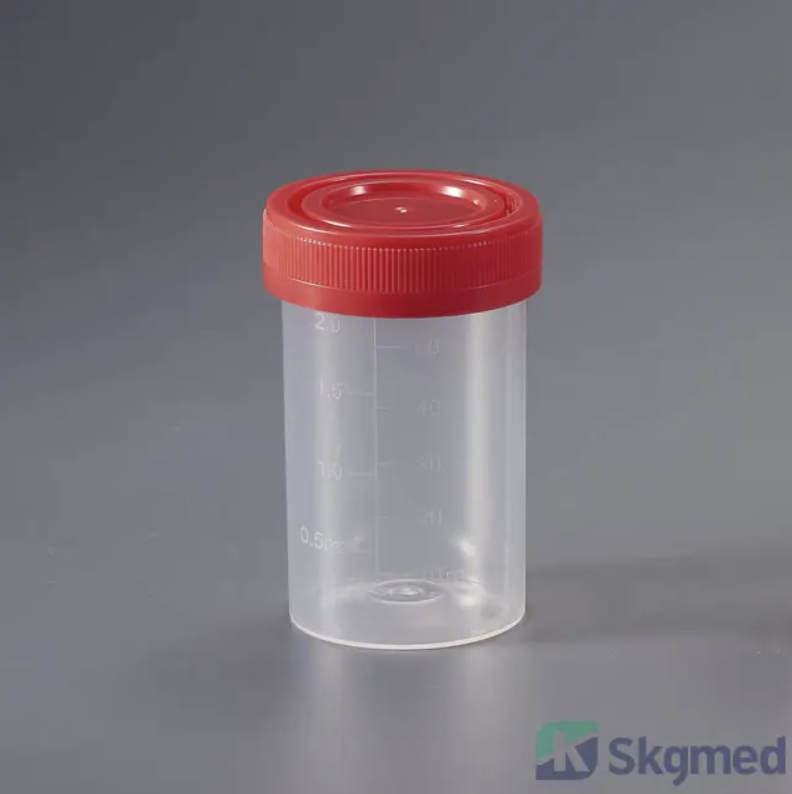
SKGMED ESR Tubes – Key Advantages
Standardized Quality
SKGMED ESR tubes are manufactured according to international hematology standards, ensuring highly consistent and comparable results across laboratories. This is critical for clinicians who rely on ESR measurements to monitor inflammation or track disease progression over time. Standardized tubes reduce variability caused by different tube materials, anticoagulant volumes, or dimensions, allowing laboratories to produce reliable readings every time. By adhering to ICSH and ISO guidelines, SKGMED ensures that each tube meets quality requirements for clinical use, making it easier for medical staff to compare results from multiple tests or facilities.
Key Standardization Features:
| Feature | Benefit |
| ICSH-compliant design | Ensures international comparability |
| Consistent dimensions | Reduces measurement variability |
| Verified anticoagulant | Accurate sedimentation rates |
High Precision Design
One of the main advantages of SKGMED ESR tubes is the precision in their design. Each tube maintains an exact 4:1 blood-to-sodium citrate ratio, which is critical for accurate ESR readings. The high-quality materials used in production provide excellent transparency, allowing lab technicians to observe red blood cell sedimentation clearly. Graduated markings on the tubes are sharp and easy to read, improving measurement accuracy. These features collectively reduce human error and improve reproducibility, making SKGMED tubes ideal for both routine clinical use and research settings.
Design Specifications:
| Specification | Description |
| Blood-to-anticoagulant ratio | 4:1 (ensures precise sedimentation) |
| Tube material | High-grade glass or medical plastic |
| Graduated markings | Clear millimeter scale for easy reading |
Easy Laboratory Handling
Laboratory workflow can be hectic, and SKGMED ESR tubes are designed to simplify handling. The black tube caps allow quick identification, minimizing confusion among multiple blood collection tubes. The vacuum design ensures proper fill and consistent anticoagulant mixing, reducing the chance of sample errors. Lab technicians can handle samples efficiently without worrying about overfilling or underfilling tubes. These features are especially useful in high-volume labs where speed, accuracy, and identification matter most.
Handling Advantages:
| Feature | Laboratory Benefit |
| Black tube caps | Quick visual recognition |
| Vacuum tube | Reduces sample handling errors |
| Pre-filled anticoagulant | Ensures consistent blood-anticoagulant ratio |
Reliability and Safety
SKGMED ESR tubes maintain sample stability during transport and short-term storage, protecting the integrity of blood specimens. They are compatible with automated ESR analyzers, allowing modern labs to run tests efficiently without manual intervention. The design minimizes contamination risks for staff and ensures safe handling of biological samples. These reliability and safety features make SKGMED ESR tubes suitable for hospitals, diagnostic centers, and research laboratories where both accuracy and staff protection are essential.
Safety and Reliability Features:
| Feature | Benefit |
| Sample stability | Maintains accurate ESR readings |
| Automation compatibility | Supports modern laboratory workflows |
| Contamination reduction | Ensures staff and sample safety |
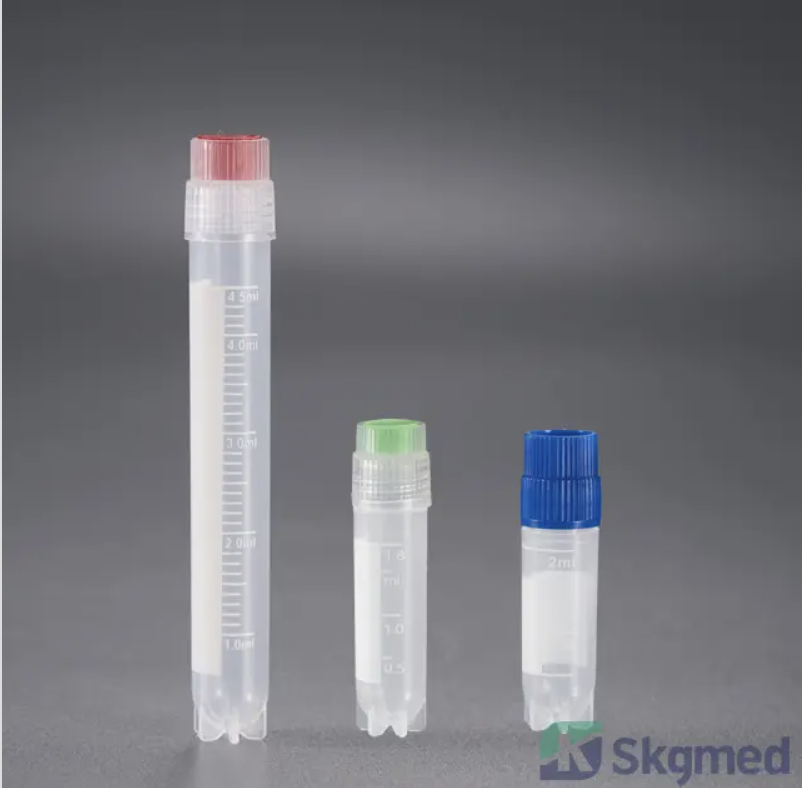
Common Errors When Reading ESR Tubes and How to Avoid Them
Misfilling the Tube
One of the most frequent errors occurs during blood collection. Overfilling or underfilling the ESR tube disrupts the 4:1 blood-to-anticoagulant ratio, leading to inaccurate results. SKGMED ESR tubes are designed with a clear fill mark to help technicians collect the correct volume every time. Always check the tube before use, and avoid drawing blood too slowly, which can allow clotting to start prematurely. Gentle handling is critical to maintain sample integrity, especially in busy laboratory settings.
Impact of Misfilling:
| Fill Level | Effect on ESR |
| Overfilled | Sedimentation slows, ESR appears low |
| Underfilled | Sedimentation accelerates, ESR appears high |
| Correct fill | Accurate, reproducible readings |
Improper Mixing of Blood and Anticoagulant
After collection, the blood must mix thoroughly with the anticoagulant. Vigorous shaking can rupture red blood cells, causing hemolysis and falsely high or low ESR readings. Conversely, insufficient mixing leaves some blood uncoated, leading to uneven sedimentation. SKGMED ESR tubes are pre-calibrated for optimal anticoagulant distribution, but technicians still need to invert the tube gently several times. Proper mixing ensures uniform sedimentation and reliable results, which is critical for patient diagnosis.
Mixing Guidelines:
Gently invert tube 6–8 times
Avoid shaking or tapping forcefully
Ensure all blood contacts anticoagulant evenly
Incorrect Tube Positioning
The ESR tube must remain perfectly vertical during the test. Even a slight tilt can change how red blood cells settle, affecting the final reading. Vibrations, bumps, or leaning tubes also interfere with sedimentation. SKGMED ESR racks are designed to hold multiple tubes upright and stable, reducing human error. Laboratories should keep tubes in a quiet, undisturbed area to maintain consistency, especially when performing multiple tests simultaneously.
Positioning Tips:
| Error | Result |
| Tilted tube | Faster sedimentation, false high ESR |
| Vibrations | Inconsistent readings |
| Stable vertical | Accurate, reproducible results |
Timing Mistakes
Timing is crucial for ESR accuracy. Reading the tube too early results in a falsely low ESR, while reading too late produces an exaggerated value. The standard Westergren method measures sedimentation after exactly 60 minutes. SKGMED ESR tubes feature clear graduations, making timing easy to track. Automated timers can further reduce human error, ensuring that readings are precise across multiple tests.
Timing Considerations:
Misinterpretation of Results
Even with perfect sample handling, misinterpreting ESR values is common. ESR alone cannot diagnose a specific disease; it indicates possible inflammation or abnormal blood conditions. High ESR may suggest infection, autoimmune disease, or certain cancers, whereas low ESR could indicate polycythemia or sickle cell disease. Clinicians should always combine ESR readings with patient history, other laboratory results, and clinical examination. SKGMED ESR tubes provide reliable readings to support correct interpretation and decision-making.

ESR Tube Reading Tips and Best Practices
Proper Handling of ESR Tubes
Proper handling is essential for accurate ESR readings. Always keep the tube upright and avoid shaking, tilting, or dropping it. SKGMED ESR tubes come with a vacuum design that reduces the risk of errors during transport. Handle tubes gently to prevent red blood cell damage, which can artificially alter the sedimentation rate. Even small vibrations can affect results, so using a stable ESR rack is recommended. These precautions ensure reliable data for clinical decision-making, especially when monitoring inflammation trends over time.
Timing and Environmental Considerations
Timing is critical when reading an ESR tube. The standard measurement occurs exactly one hour after the sample is set. Delayed or early readings can produce misleading results. Temperature and environmental conditions also influence red blood cell sedimentation. Too warm or too cold a room can affect plasma separation. SKGMED ESR tubes are designed to minimize these variations and provide consistent readings, making it easier for laboratories to standardize results across different conditions.
Avoiding Common Errors in ESR Tube Reading
Several errors can affect ESR tube readings. Common mistakes include overfilling or underfilling the tube, improper mixing with anticoagulant, or reading from a tilted tube. SKGMED ESR tubes have clear markings and a 4:1 blood-to-anticoagulant ratio, reducing these errors. Using proper technique ensures the height of plasma is measured accurately. Visual distractions or poor lighting can also lead to misreading millimeter markings. Adhering to standardized laboratory protocols improves accuracy and reduces repeat testing.
Equipment and Rack Selection for ESR Tubes
Choosing the right ESR rack and supporting equipment improves reading accuracy. Racks must hold tubes completely vertical and prevent movement. Some labs use automated ESR readers compatible with SKGMED tubes for more precise measurements. Manual reading remains common, so ensuring good visibility and ergonomic positioning of the rack is crucial. Table below summarizes recommended equipment features:
| Feature | Recommendation |
| Rack stability | Heavy, non-slip base |
| Tube alignment | Vertical, easy insertion |
| Automation compatibility | Compatible with SKGMED ESR tubes |
| Measurement accuracy | Clear mm markings, readable scale |
These best practices help technicians avoid errors, improve reliability, and maintain consistent results, which is especially important when monitoring patient inflammation over time.
Preparing for ESR Tube Reading – Best Practices
Proper Sample Collection
Accurate ESR readings start with correct blood collection. Use a clean venipuncture technique and ensure the patient is relaxed to prevent hemolysis. SKGMED ESR tubes simplify the process because they come prefilled with the correct anticoagulant and are calibrated for optimal volume. Collect the blood slowly to avoid air bubbles, which can disturb red blood cell sedimentation. Proper labeling of tubes is also essential to prevent mix-ups in busy laboratories.
Handling and Mixing the Sample
After collection, gently invert the ESR tube several times to mix the blood and anticoagulant. Avoid vigorous shaking, which can damage red blood cells and produce inaccurate readings. Maintaining the 4:1 blood-to-anticoagulant ratio is critical for consistent results. SKGMED ESR tubes are designed to ensure this ratio is correct automatically. Proper mixing ensures uniform sedimentation and reduces the likelihood of repeat testing.
ESR Tube Placement and Timing
Correct placement of the tube is crucial. Always position ESR tubes vertically in a stable ESR rack. Any tilt or movement during the test can lead to inaccurate results. The standard sedimentation time is one hour, and reading before or after this period may produce misleading values. SKGMED ESR tubes are designed to resist minor vibrations, but environmental control is still recommended. Consistent timing ensures comparability between tests.
| Step | Best Practice | SKGMED Advantage |
| Sample collection | Slow venipuncture, label properly | Pre-calibrated anticoagulant, easy fill |
| Mixing blood | Gentle inversion, avoid shaking | Correct 4:1 ratio automatically |
| Tube placement & timing | Vertical, stable, read at 1 hour | Anti-vibration design, consistent rack fit |
Environmental Considerations
Temperature, humidity, and laboratory vibrations can alter ESR readings. High temperatures can accelerate sedimentation, while cold slows it. Vibrations during testing disturb plasma separation and produce inaccurate mm/hr values. SKGMED ESR tubes are optimized to reduce environmental impact, but maintaining stable lab conditions is necessary. Simple practices, like avoiding direct sunlight and using vibration-free racks, help maintain test accuracy and reliability.
Documentation and Labeling
Accurate documentation ensures traceability and prevents errors. Record the patient details, collection time, and tube type on each SKGMED ESR tube. Clear labeling is essential in busy laboratories to avoid confusion between samples. Using pre-labeled or easily writable SKGMED tubes can save time and reduce human error. Proper documentation also helps correlate ESR values with clinical history for meaningful interpretation.
Preparing for an ESR Tube Test
Proper Patient Preparation
Before collecting a blood sample, ensure the patient is comfortable and informed about the ESR test. Factors like recent exercise, stress, or even meals can slightly affect ESR readings. SKGMED ESR tubes are designed to minimize pre-analytical errors, but proper patient preparation remains crucial. Patients should be seated calmly for a few minutes, and any recent medications should be noted. Clear communication helps reduce anxiety and ensures cooperation during venipuncture, leading to smoother collection and more reliable results. Consistent preparation improves repeatability and reduces outliers in lab data.
Equipment Check and Tube Inspection
Always inspect ESR tubes before use. SKGMED tubes have black caps and clear graduated markings, making them easy to identify. Check for cracks, leaks, or prefilled anticoagulant issues. Using damaged tubes or expired anticoagulant can alter sedimentation and invalidate results. Ensure that tubes are at room temperature and stored according to manufacturer instructions. Proper inspection prevents common errors such as incorrect volume or uneven anticoagulant mixing, supporting accurate mm/hr measurements.
| Inspection Step | SKGMED Advantage |
| Cap color | Easy identification in busy labs |
| Tube markings | Clear graduations for precise reading |
| Anticoagulant integrity | Prechecked for consistent 4:1 ratio |
| Storage instructions | Maintains stability before testing |
Venipuncture Techniques
Correct blood collection is critical for ESR accuracy. Insert the needle smoothly into the vein, avoiding excessive movement. Draw the recommended volume, usually 2-5 ml for SKGMED tubes, to maintain the proper 4:1 blood-to-anticoagulant ratio. Too little or too much blood affects the sedimentation rate. Minimize trauma to red blood cells to prevent hemolysis, which can falsely elevate ESR. After collection, gently invert the tube to mix anticoagulant. Following proper venipuncture protocols ensures reliable sedimentation readings across samples.
Handling and Transport
Once collected, handle ESR tubes with care. Keep them upright, avoid shaking, and transport them in a stable container to the lab. Environmental factors like temperature fluctuations, vibration, or sunlight can affect red blood cell settling. SKGMED tubes are engineered to maintain sample stability during transport, reducing pre-analytical variability. Maintaining correct orientation and handling ensures that when the tube reaches the analyzer, the sample is ready for accurate and reproducible ESR measurement.
How to Maintain ESR Tube Accuracy in the Lab
Proper Storage and Handling
Maintaining ESR tube accuracy starts with correct storage. SKGMED ESR tubes should be stored at room temperature, away from direct sunlight or extreme humidity. Temperature fluctuations can alter the anticoagulant properties, affecting red blood cell sedimentation. When handling, avoid dropping or shaking tubes, as vibrations can create bubbles and disturb sedimentation. Proper labeling is essential to track sample identity, collection time, and patient information. Consistent handling ensures results are reliable, especially when comparing longitudinal samples from the same patient or across multiple laboratories.
Avoiding Pre-Analytical Errors
Pre-analytical errors are a common source of inaccurate ESR readings. Using the correct blood-to-anticoagulant ratio is crucial, typically 4:1 for SKGMED tubes. Insufficient mixing can cause clumping or uneven sedimentation. Environmental factors such as vibration, heat, or delays in processing can skew results. Laboratories should establish SOPs for sample collection, transport, and timing to minimize variability. Regular training for staff on these best practices significantly reduces error rates and ensures ESR results reflect the patient’s true physiological condition.
| Common Pre-Analytical Error | Potential Impact on ESR Reading |
| Wrong tube type | False high or low readings |
| Improper blood ratio | Accelerated or delayed sedimentation |
| Delayed processing | Inaccurate comparison with normal ranges |
| Excessive vibration | Clumping, irregular sedimentation |
Timely Processing and Analysis
Timing is critical for ESR tube accuracy. Samples should be analyzed within two hours of collection to prevent cell settling or degradation. SKGMED ESR tubes are designed for stability, but delayed testing can still alter sedimentation rates. Automation can help standardize timing and reduce human error, providing consistent readings. For manual measurement, laboratories must monitor the one-hour sedimentation carefully. Documenting exact start and end times is essential for reproducible results, especially in serial patient monitoring or research studies.
Regular Calibration and Quality Control
Laboratories must perform regular calibration and quality checks on ESR measurement systems. Even with high-quality SKGMED tubes, inaccurate equipment or improper calibration can compromise results. Implementing controls with known ESR values helps verify accuracy. Maintaining records of calibration, maintenance, and operator training ensures traceability and reliability. This approach supports clinical decision-making and allows healthcare providers to trust the ESR data when monitoring inflammatory or autoimmune conditions.
Conclusion
Understanding how to read an ESR tube is essential for accurate blood test interpretation. This article explains each step, from proper sample collection and mixing with anticoagulant to precise tube positioning, timing, and measurement of sedimentation rate. Using high-quality SKGMED ESR tubes ensures consistent and reliable results. Their standardized design, clear markings, and stable anticoagulant ratio reduce errors and improve laboratory efficiency. SKGMED tubes are compatible with automated analyzers, making them ideal for hospitals, clinics, and diagnostic labs. By choosing SKGMED products, healthcare professionals can confidently monitor inflammation and track disease progression, ensuring better patient care and dependable outcomes.
FAQ
Q: What is an ESR tube?
A: An ESR tube is a specialized blood collection tube used to measure red blood cell sedimentation rate, indicating inflammation in the body.
Q: How does an ESR tube work?
A: Blood is mixed with anticoagulant in the tube. Red blood cells settle under gravity, and the clear plasma height indicates the ESR value.
Q: What are normal ESR values?
A: Normal ESR varies by age and sex: children <10 mm/hr, adult males <15–20 mm/hr, adult females <20–30 mm/hr.
Q: What can cause high ESR?
A: High ESR may result from infections, autoimmune diseases, inflammation, cancer, pregnancy, anemia, or certain medications.
Q: What can cause low ESR?
A: Low ESR may occur in sickle cell anemia, polycythemia, high blood viscosity, low fibrinogen, or very high white blood cell counts.
Q: Why is it important to use proper ESR tubes?
A: Proper ESR tubes ensure accurate blood-to-anticoagulant ratio, correct length, and stability, reducing measurement errors in labs.
Q: How are SKGMED ESR tubes beneficial?
A: SKGMED ESR tubes provide standardized quality, high precision design, easy lab handling, sample stability, and compatibility with automated analyzers.


