Introduction
What color tube is used for an ESR test? Many healthcare workers still wonder, yet this simple detail directly affects the accuracy of every ESR result. ESR testing must use a black-top tube filled with 3.8% sodium citrate in a 1:4 ratio, and using the wrong color can create false readings. Tube color matters because each color represents a specific additive that changes how blood behaves.
In this article, you’ll learn exactly why the black ESR tube is required, how it works, and how to avoid common pre-analytical errors. You’ll also discover why SKGMED ESR tubes—made with strict additive control, clear fill-line accuracy, and high-quality PET or glass materials—offer reliable performance for clinical laboratories.
What Is an ESR Test and Why Tube Color Matters
The ESR test, or Erythrocyte Sedimentation Rate, measures how quickly red blood cells settle at the bottom of a vertical tube. It looks simple, yet it offers important clues. When the body develops inflammation, certain proteins increase. These proteins make red blood cells stick together, fall faster, and change the ESR value. Because of this, many clinicians use ESR to detect hidden inflammation, infection, or autoimmune activity. It does not diagnose a specific disease, but it helps doctors see when the body is reacting to a problem. The test depends heavily on stable blood conditions, so even minor changes in the sample can affect the settling speed. This is why the tube color, and more importantly the additive inside the tube, plays such a big role in accuracy.
How ESR Reflects Inflammation and Disease Activity
Inflammation changes the way red blood cells behave. It alters the balance of plasma proteins, especially fibrinogen and immunoglobulins. These proteins cause red blood cells to form stacks called rouleaux, and they drop quickly. When this happens, ESR rises. High ESR levels may appear in infections, autoimmune diseases, cancers, or chronic inflammatory disorders. Low ESR levels may appear in conditions like sickle cell disease, polycythemia, or when abnormal red-cell shapes interfere with stacking. ESR is especially helpful when tracking disease over time because it changes gradually and shows long-term inflammatory activity. This makes sampling conditions extremely important. If the sample is altered before testing, the ESR reading can mislead the clinical team.
Here is a quick look at how ESR relates to common clinical situations:
| Clinical Situation | Expected ESR Change | Reason |
| Acute infection | Increase | Elevated inflammatory proteins |
| Autoimmune disease flare | Increase | High immune activity |
| Sickle cell anemia | Decrease | Abnormal red-cell shape |
| Polycythemia | Decrease | Higher cell concentration |
Why Tube Color and Additive Are Critical for ESR Accuracy
The ESR test requires the blood to mix with the exact amount of anticoagulant. Too much anticoagulant dilutes the blood and lowers ESR. Too little causes tiny clots that raise ESR. When clinicians ask “What color tube for ESR?” the answer matters because each tube color represents a different additive. ESR testing demands a black-top tube containing 3.8% sodium citrate with a 1:4 blood-to-additive ratio. This specific ratio preserves normal red blood cell behavior. Other tubes disrupt the test. For example, lavender tubes use EDTA. EDTA changes cell shape and prevents natural settling, which makes ESR readings unreliable. Blue tubes use 3.2% sodium citrate but in a 1:9 ratio, which is incorrect for ESR because it dilutes the blood sample too much. These details explain why labs follow strict color-coded guidelines.
Below is a comparison of tube types and their suitability for ESR:
| Tube Color | Additive | ESR Compatibility | Notes |
| Black | 3.8% Sodium Citrate (1:4) | Yes | Standard ESR tube |
| Lavender | EDTA | No | Distorts red-cell behavior |
| Blue | 3.2% Sodium Citrate (1:9) | No | Ratio unsuitable for ESR |
| Red | No additive | No | Used for serum tests only |
Using the wrong tube leads to false ESR readings, unnecessary repeat testing, and delayed diagnosis. Because ESR is extremely sensitive to sample conditions, tube selection becomes one of the most important pre-analytical steps in the entire process.
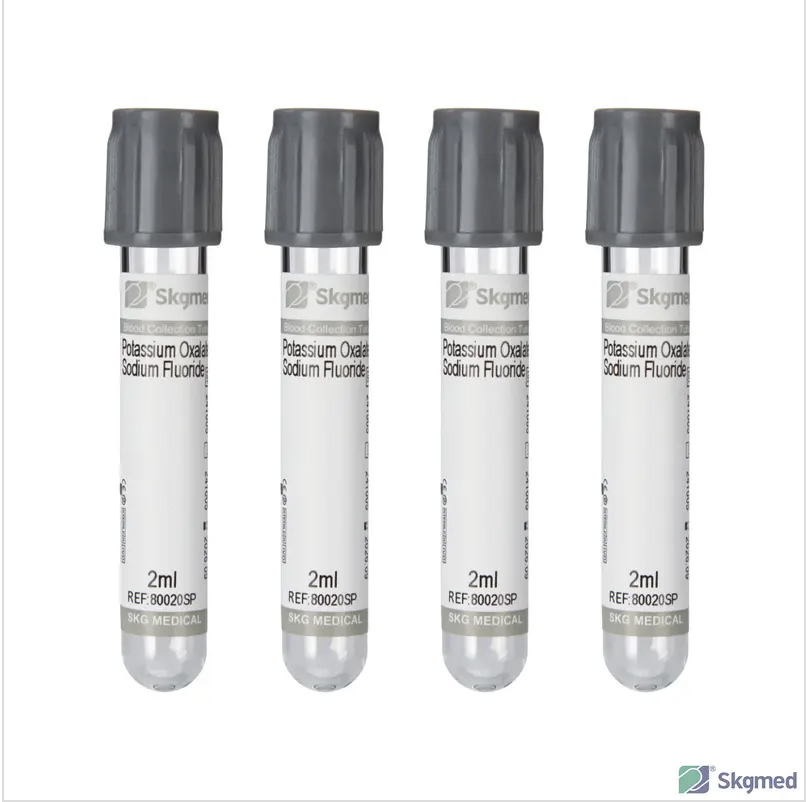
What Color Tube for ESR?
The ESR test relies on a very specific blood collection condition, so the tube color matters more than many people expect. The black-top tube is the primary and most trusted option for Westergren ESR testing. It contains 3.8% sodium citrate, and it keeps a strict 1:4 blood-to-additive ratio. This ratio stabilizes red blood cells, so they settle naturally during the test. It also protects the sample from clotting, which would immediately ruin an ESR result. When labs choose this tube, they follow the standardized Westergren method used worldwide. Many ESR analyzers, hospitals, and research centers prefer the black-top tube because it keeps the test consistent and minimizes pre-analytical errors. It offers predictable behavior, so clinicians trust the values they see. Automated ESR systems also use it, especially when high accuracy is required for inflammation monitoring.
Here is a quick look at what the black-top tube contains and why it works:
| Tube Feature | Purpose | Effect on ESR |
| 3.8% sodium citrate | Prevents clotting | Keeps red cells free to settle |
| 1:4 ratio | Maintains plasma balance | Prevents dilution errors |
| Standard Westergren format | Ensures global consistency | Produces comparable ESR values |
Why Not Other Colors?
Not every tube can support a proper ESR measurement, and this often confuses new lab staff. Many people ask if lavender tubes, blue tubes, or even red tubes can work. They cannot support the classic Westergren method. Lavender tubes, which contain EDTA, change red-cell shape. Some automated ESR devices allow EDTA samples, but this applies only to those systems, not the traditional method. Blue tubes contain sodium citrate, but they use a 1:9 dilution ratio, which heavily alters plasma concentration. When this happens, the ESR falls or rises incorrectly. Red tubes do not contain any anticoagulant, so the sample clots quickly. Once clotting begins, red cells cannot settle at all. Green tubes use heparin. It triggers biochemical changes that disrupt normal sedimentation. These issues show why tube color rules are strict and why labs avoid all non-black tubes for ESR.
Below is a simple comparison of tube types and ESR suitability:
| Tube Color | Additive | ESR Use | Reason |
| Black | 3.8% Sodium Citrate (1:4) | Yes | Perfect ratio for Westergren ESR |
| Lavender | EDTA | Limited | Only for some automated systems |
| Blue | 3.2% Sodium Citrate (1:9) | No | Dilution incorrect for ESR |
| Red | None | No | Sample clots too fast |
| Green | Heparin | No | Alters red-cell settling |
When choosing a tube, accuracy depends on the right additive, the right ratio, and the right color. The black-top tube remains the safest and most reliable option for ESR testing in clinical labs worldwide.
SKGMED ESR Tubes — Product Features & Advantages
SKGMED develops ESR tubes for laboratories that need stable results and dependable quality. Each tube follows strict manufacturing standards, and it carries a precisely measured amount of 3.8% sodium citrate. This anticoagulant keeps the sample stable, and it protects ESR values from drifting during storage or transport. The tubes come in PET and glass, so labs can choose a material that fits their workflow or equipment. Their internal surface is smooth, and it helps the blood settle at a natural speed. Many labs prefer this design because it supports accurate sedimentation readings during manual or automated ESR analysis.
High-Precision ESR Tubes
SKGMED produces ESR tubes built for consistency, and it uses advanced molding lines to keep every piece uniform. These tubes include a fixed amount of 3.8% sodium citrate, and it maintains the 1:4 ratio required for ESR. The design keeps the sample homogeneous, and it helps the red cells fall at their natural rate during the Westergren method. Many tubes on the market vary in clarity, but SKGMED ensures high transparency to help technicians observe sedimentation easily. Each tube goes through quality checks before packaging, and it is sterilized to support safe clinical collection.
| SKGMED ESR Tube Material | Key Strengths | Typical Use |
| PET | Lightweight, shatter-resistant | High-throughput hospital labs |
| Glass | High chemical stability | Reference labs, controlled environments |
PET tubes reduce breakage, and they improve user safety. Glass tubes offer excellent dimensional stability, and they support strict reference testing environments. Both options match international quality standards, and they are compatible with routine ESR workflows.
Advantages of SKGMED ESR Tubes
SKGMED tubes stand out because they control the vacuum volume accurately, and this ensures the correct draw every time. It avoids underfilling, and the ratio remains precise. The black cap seals tightly, and it protects the sample during transport. Each tube is marked clearly, and staff can read volume lines quickly. They come in multiple fill sizes, and technicians can choose 1.6 ml, 2.4 ml, 3.2 ml, or 4.0 ml based on analyzers or protocols. Many ESR devices require tubes that remain straight and dimensionally stable, and these tubes maintain that even after long storage. They also work for manual Westergren tests or automated ESR systems, which gives labs flexibility.
Another advantage is the wide compatibility across workflows. Some labs rely on automation, and others depend on manual racks. SKGMED designs tubes that fit both. The material quality helps reduce clot formation, and it supports cleaner plasma separation. Many facilities appreciate the clarity of the tube wall because it helps them read the sedimentation line without guessing. The products also come with international certifications, and this increases confidence in regulated markets.
| Feature | SKGMED Benefit |
| Transparency | Clear sedimentation visibility |
| Vacuum accuracy | Stable draw volume |
| Additive quality | Consistent anticoagulation |
| Cap security | Lower leakage risk |
| Volume options | 1.6 / 2.4 / 3.2 / 4.0 ml |
Why Labs Choose SKGMED
Labs choose SKGMED because it delivers reliable ESR tubes supported by strong production capacity. The company has more than 20 years in medical consumables, and it exports products to global markets. Its teams invest in testing equipment, and they verify product performance through multiple inspection steps. This reduces variability, and it helps labs trust the ESR readings they obtain. SKGMED also maintains a stable supply chain, and it offers quick delivery for large orders. Many distributors prefer this reliability because it keeps hospitals stocked and prevents workflow interruptions.
The company expands its product lines continuously, and it adapts to the needs of international health systems. It supports OEM and customization requests, and it works closely with clients to match tube specifications. This flexibility helps multi-site labs standardize their blood collection systems. It also ensures consistent quality across facilities. SKGMED’s focus on safety, cleanliness, and sterility has made it a dependable supplier for clinics, hospitals, and reference laboratories around the world.
How ESR Tubes Work
ESR tubes follow a simple scientific idea, and they keep the blood from clotting while allowing red cells to fall naturally. Each tube contains sodium citrate, and this additive binds calcium fast. It stops the clotting cascade quickly, so the cells remain free to settle. The design protects the natural behavior of red blood cells, and it prevents artificial clumping. Many tests depend on this stability because ESR reflects inflammation, infection, or immune activity in the body.
Role of Sodium Citrate
Sodium citrate works by removing active calcium, and it interrupts clot formation instantly. It gives the blood a controlled environment, and the red cells move freely inside the tube. When inflammation proteins rise, they make the cells fall faster. Sodium citrate helps preserve this pattern, and it allows technicians to read the sedimentation height correctly. The additive stays gentle, and it avoids damaging the cells during storage. ESR tubes often use 3.8% sodium citrate because it delivers consistent performance.
| Additive | Function | Effect on ESR |
| Sodium Citrate | Binds calcium | Prevents clotting |
| No additive | None | Clots quickly, unusable |
| EDTA | Strong chelator | Not suitable for Westergren |
This controlled anticoagulation is vital because ESR values change when the blood clots or when the cells stick together artificially. Sodium citrate maintains a stable state, and the test becomes much more reliable.
Importance of the 4:1 Blood-to-Additive Ratio
The ESR test depends heavily on the ratio, and labs must maintain the 4:1 balance. Each tube draws a precise volume automatically, and it ensures the blood matches the additive correctly. If the tube is underfilled, the additive becomes stronger, and it slows the cells. If overfilled, the anticoagulant becomes too weak, and the blood may partially clot. This leads to false readings, and it increases laboratory errors. Many automated ESR analyzers also depend on this ratio because they calculate sedimentation in preset intervals.
A stable ratio supports uniform settling, and it protects the measurement length. ESR tubes are designed to match the Westergren method, and the calibration fits the expected volume. When the ratio stays correct, the cells form a clear plasma column at the top. Technicians can read the height easily, and it improves accuracy. This is why ESR tubes always include a preset vacuum. It helps staff collect the right amount without guessing or adjusting manually.
| Fill Quality | Blood:Additive Ratio | Expected Outcome |
| Full draw | 4:1 | Accurate ESR |
| Underfill | 3:1 or lower | Slower sedimentation |
| Overfill | 5:1 or higher | Risk of microclots |
These precise conditions help ESR tubes protect the natural sedimentation pattern, and they make the test dependable for medical diagnosis.
How to Collect Blood for ESR
Collecting blood for an ESR test looks simple, yet small mistakes can change the result. The process begins by choosing the Black-Top ESR tube, and this tube holds sodium citrate for proper anticoagulation. It protects the blood from clotting, and it keeps the red cells free to settle. Many labs follow this method because it supports the Westergren standard. SKGMED ESR tubes help the process remain stable, and they draw the correct volume using precision vacuum control.
Using the Correct Order of Draw
The order of draw keeps additives from mixing, and it prevents cross-contamination. ESR tubes sit after the light blue coagulation tube, and this placement keeps citrate levels accurate. It also prevents EDTA from affecting sedimentation. Many technicians memorize this step, and it reduces test errors. Here is a quick reference for ESR placement in the order of draw:
| Tube Color | Common Additive | Order Position |
| Light Blue | Sodium Citrate (Coag) | Before ESR |
| Black | Sodium Citrate (ESR) | After Coag |
| Red / SST | No additive / Gel | Later |
This order works for adults and pediatric draws, and it helps labs keep ESR results consistent.
Mixing the Tube Properly
After the collection, the tube needs gentle mixing, and it should be inverted 4–6 times. The movement spreads the citrate evenly, and it prevents microclots. Hard shaking damages cells, and it may change the ESR value. Soft inversion protects the sample, and it keeps the red cells intact. SKGMED ESR tubes mix easily, and the clear barrel shows whether the additive blends fully.
The table below shows proper vs improper mixing:
| Mixing Action | Result | Impact on ESR |
| Gentle 4–6 inversions | Even citrate distribution | Accurate reading |
| Vigorous shaking | Cell damage | False elevation |
| No mixing | Microclots | Delayed settling |
Many labs train their staff to follow this exact technique, and it reduces sample rejection.
Avoiding Hemolysis and Underfilling
Hemolysis breaks red cells, and it disrupts the natural settling process. It often appears when the needle is too small, or the draw is too slow. Underfilling creates another problem, and it changes the citrate ratio. The tube’s additive becomes too strong, and the red cells slow down unnaturally. Every ESR tube needs a full draw, and SKGMED tubes mark the fill line clearly. It helps staff confirm volume quickly, and it prevents ratio errors.
The 4:1 blood-to-additive ratio stays critical, and underfilling can make even a healthy patient appear inflamed. Labs avoid this by checking the fill level immediately after collection, and by using tubes that maintain stable vacuum pressure. SKGMED ESR tubes follow strict quality standards, and they keep the fill volume consistent in daily use.
Sample Handling and Stability
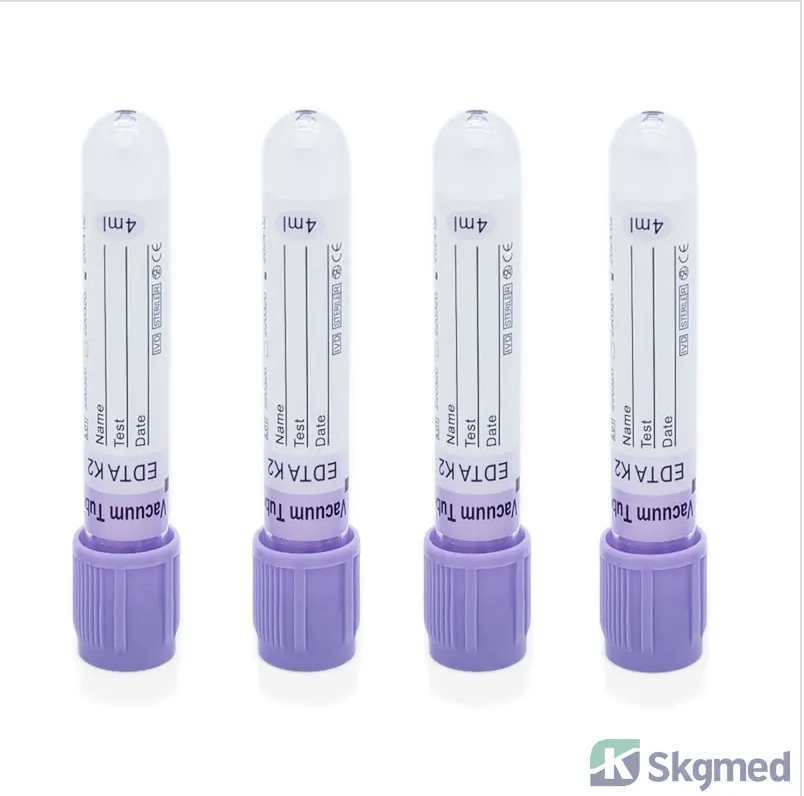
Proper sample handling keeps ESR results accurate. Once collected, blood in a Black-Top ESR tube begins to change over time. At room temperature, it remains stable for up to 4 hours. Beyond this, red cells may start settling irregularly, and the test value can shift. Refrigerated samples extend stability, and labs can store them for up to 24 hours without affecting results. Cooling slows metabolism, preserves red cell integrity, and prevents early aggregation.
SKGMED Tube Features Supporting Stability
SKGMED ESR tubes have high-quality sealing, and they maintain vacuum consistency. This prevents air leakage, and it reduces accidental hemolysis. The additive mixes evenly, and the 4:1 blood-to-citrate ratio stays accurate. These features ensure the sample remains viable from collection to analysis. Here’s a quick reference table for ESR sample stability:
| Condition | Maximum Stability | Notes |
| Room Temperature | 4 hours | Ideal for immediate transport |
| Refrigerated | 24 hours | Maintain vertical position |
| Freezing | Not recommended | Can alter red cell settling |
Gentle transport helps, and avoiding vigorous shaking preserves sedimentation characteristics. SKGMED tubes’ transparent design allows visual inspection, and it confirms sample quality during handling. Using proper tubes reduces lab errors, and ensures reliable ESR measurements every time.
Why Choose SKGMED for ESR and Blood Collection Tubes
SKGMED has over 20 years of experience in manufacturing high-quality medical disposables. They focus on producing a full range of blood collection products, including ESR tubes, EDTA tubes, serum tubes, and needles. Their products are designed to meet international quality standards, ensuring accuracy, reliability, and safety in clinical laboratories. By combining precision engineering and strict quality control, SKGMED delivers tubes that maintain proper vacuum, prevent leakage, and provide stable sample integrity. Labs can trust SKGMED for consistent performance in both manual and automated ESR testing systems.
Comprehensive Blood Collection System
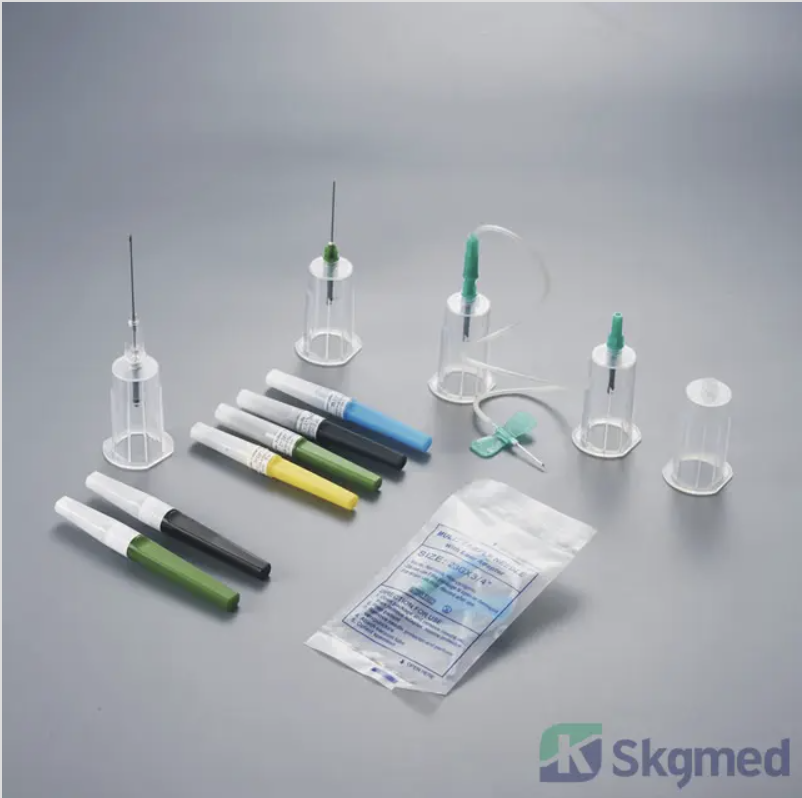
SKGMED provides a complete blood collection solution that covers all laboratory needs. Their ESR tubes feature black tops and pre-loaded 3.8% sodium citrate anticoagulant, while EDTA and serum tubes are available for other routine tests. This one-stop approach allows hospitals and clinics to streamline operations and reduce supplier complexity. In addition, SKGMED offers accessories like needles and adapters that are fully compatible with their tubes, supporting a smooth workflow. Their products are suitable for manual methods and automated analyzers, ensuring laboratories maintain accurate and reproducible test results.
| Product Type | Features | Applications |
| ESR Tubes | Black top, 3.8% sodium citrate, PET & glass | Sedimentation rate measurement |
| EDTA Tubes | Lavender top, K2/K3 EDTA | Hematology tests |
| Serum Tubes | SST, clot activator | Biochemistry, immunology |
| Needles & Accessories | Compatible with tubes | Safe collection & transfer |
Advantages for Distributors and Laboratories
SKGMED’s large-scale production capacity allows them to offer competitive pricing without compromising quality. Distributors benefit from bulk purchasing options, reliable supply chains, and professional packaging. Their OEM support enables customized branding, labeling, and packaging solutions. Fast delivery and high-quality packaging further ensure that laboratories receive products in excellent condition, ready for immediate use. By choosing SKGMED, both small clinics and large hospitals gain access to dependable blood collection products, reducing errors, improving efficiency, and maintaining high-quality laboratory standards.
| Benefit | Description |
| Competitive Pricing | Large-scale production reduces unit costs |
| Custom OEM Support | Branding, labeling, and packaging options |
| Reliable Supply | Stable production ensures consistent delivery |
| High Quality | Accurate fill, leak-proof tubes, certified standards |
Conclusion
This article explored the importance of using the correct color tube for ESR testing. Black-top tubes containing sodium citrate are essential for accurate measurement of red blood cell sedimentation. Using the proper tube prevents invalid results and ensures reliable laboratory outcomes. It also helps healthcare professionals monitor inflammation, infections, and autoimmune activity accurately. Sample handling, stability, and correct blood-to-additive ratio all play a role in dependable ESR testing.
SKGMED ESR tubes provide high transparency for clear visual readings, precise fill volumes, and leak-proof black caps for safe handling. Their tubes are available in both PET and glass, compatible with manual and automated methods, and certified to meet quality standards. By choosing SKGMED, laboratories benefit from consistent performance, efficient workflow, and reliable blood collection solutions, enhancing overall diagnostic confidence and patient care.
FAQ
Q: What is an ESR test?
A: ESR measures the rate red blood cells settle in a tube, indicating inflammation or infection.
Q: What color tube is used for ESR?
A: Black-top tube with 3.8% sodium citrate is standard for accurate Westergren ESR testing.
Q: Can other tubes be used for ESR?
A: Lavender tubes work only for some automated analyzers. Red, blue, green tubes are not suitable.
Q: Why is tube color important?
A: Correct color ensures proper anticoagulant, reliable results, and prevents invalid ESR values.
Q: What are SKGMED ESR tubes?
A: SKGMED ESR tubes offer PET or glass options, precise volume control, and clear sedimentation readings.
Q: How should ESR samples be handled?
A: Room temperature up to 4 hours, refrigerated up to 24 hours, avoid hemolysis and underfilling.


