Introduction
Ever wondered how doctors quickly detect inflammation or monitor autoimmune diseases? ESR, or Erythrocyte Sedimentation Rate, is a simple yet essential blood test that measures the rate at which red blood cells settle in a tube over a specific period. This test plays a critical role in identifying infections, chronic inflammation, and other health conditions. One key factor in obtaining accurate ESR results is the anticoagulant used in the tube. In ESR testing, sodium citrate is the preferred anticoagulant because it prevents blood from clotting while maintaining the correct ratio with blood. SKGMED offers high-quality ESR tubes designed for precise and reliable blood testing, ensuring that laboratory results are both accurate and consistent. In this article, we will explore which anticoagulant is used in ESR tubes, why it matters, and how SKGMED products can improve ESR testing outcomes.
Which Anticoagulant is Used in ESR Tube?
ESR tubes rely on anticoagulants to produce accurate and reliable results. Without an anticoagulant, blood would clot quickly, making it impossible to measure the red blood cell sedimentation rate. In laboratory practice, anticoagulants maintain the sample’s integrity, ensuring that red blood cells settle naturally over one hour. This is essential for diagnosing inflammation, infection, or autoimmune conditions. At SKGMED, our ESR tubes are designed with precision, using high-quality anticoagulants to support consistent results across different laboratories and testing conditions.
The Role of Anticoagulants in ESR Testing
Anticoagulants in ESR tubes prevent blood from clotting while allowing red blood cells to settle naturally. They preserve the sample's structure and maintain the correct sedimentation ratio. This ensures that laboratory readings are accurate and comparable across different batches. They also extend the usability of samples, making it possible to transport or store blood without affecting test results. Without anticoagulants, even a slight delay between sample collection and testing could produce misleading or invalid results.
Key functions of anticoagulants include:
Immediate prevention of coagulation
Maintaining natural red blood cell sedimentation
Ensuring sample stability for extended analysis
| Function | Importance in ESR Testing |
| Prevents clotting | Accurate measurement |
| Maintains cell suspension | Reliable lab results |
| Stabilizes samples for transport | Extended usability |
Why Sodium Citrate is the Standard
Sodium citrate is the most widely used anticoagulant for ESR testing. Typically, a 3.2–3.8% solution is used, which binds calcium in the blood to prevent coagulation. This simple chemical reaction ensures that red blood cells remain suspended long enough to settle in a controlled manner. Labs favor sodium citrate because it produces highly consistent results, allows proper sedimentation, and extends sample stability. For laboratories using SKGMED ESR tubes, the citrate concentration is optimized to support accurate, reproducible testing, making it the trusted choice worldwide.
| Feature | Sodium Citrate Benefits |
| Concentration | 3.2–3.8% |
| Mechanism | Binds calcium to prevent coagulation |
| Reliability | Consistent and accurate results |
| Sample stability | Extended for transport and delayed testing |
| Common use | Standard in clinical laboratories |
Other Anticoagulants (Optional Variations)
While sodium citrate is the standard, some labs occasionally experiment with EDTA or oxalates. EDTA prevents clotting effectively but can alter red blood cell aggregation, affecting sedimentation speed. Oxalates also prevent coagulation but are less standardized and produce less consistent results. These alternatives may be used for specialized research or very specific clinical scenarios, but they are rarely preferred for routine ESR testing. SKGMED focuses on sodium citrate-based ESR tubes to guarantee reliable readings and reproducible results.
Comparison of anticoagulants:
| Anticoagulant | Pros | Cons |
| Sodium Citrate | Accurate, stable, standard | None significant |
| EDTA | Effective for general anticoagulation | Alters ESR sedimentation rates |
| Oxalates | Prevents clotting | Inconsistent results, less widely used |
These differences highlight why laboratories continue to rely on sodium citrate as the primary anticoagulant for ESR testing. SKGMED’s ESR tubes ensure the correct ratio of anticoagulant to blood, supporting precision and reliability in diagnostic practice.
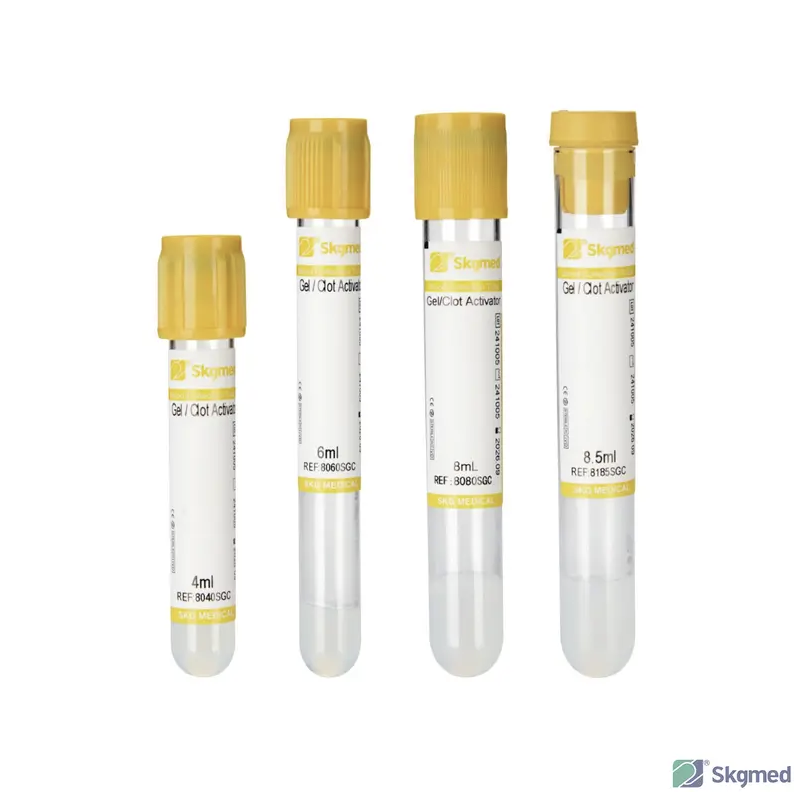
How to Use ESR Tubes Correctly
Using ESR tubes correctly is critical for obtaining accurate and reliable test results. Even small mistakes during collection or handling can alter sedimentation rates, leading to misinterpretation of inflammation or infection markers. Proper technique ensures consistent readings across patients and laboratories. SKGMED ESR tubes are designed to simplify handling while maintaining high precision, making them ideal for clinical laboratories and diagnostic centers.
Blood Collection Procedure
Correct blood collection begins with maintaining the proper blood-to-anticoagulant ratio, typically 4 parts blood to 1 part sodium citrate. This precise ratio prevents clot formation and ensures red blood cells remain suspended for accurate sedimentation. After drawing blood, gently invert the tube three to five times to mix it evenly with the anticoagulant. Avoid shaking or creating air bubbles, as this can damage red blood cells and produce inaccurate readings. Following these steps helps preserve sample integrity and supports reproducible ESR testing across different laboratories.
Key collection points:
| Step | Purpose |
| 4:1 ratio | Accurate sedimentation |
| Gentle mixing | Prevents cell damage |
| No air bubbles | Preserves sample integrity |
ESR Measurement Process
After collection, the ESR tube should be placed vertically in a stable rack to allow proper sedimentation. The standard sedimentation period is one hour, after which the red blood cell column is measured in millimeters per hour (mm/hr). Manual measurement relies on visual reading, while automated analyzers provide faster, more consistent results with minimal human error. Proper vertical placement and adherence to timing are essential, as even minor deviations can change the sedimentation rate and compromise diagnostic accuracy. Ensuring these conditions allows labs to obtain reliable and reproducible ESR readings for clinical evaluation.
Measurement guidelines:
Place tube vertically without disturbance
Sedimentation time: 60 minutes
Record in mm/hr
Manual or automated reading
| Method | Advantage | Limitation |
| Manual | Low-cost, simple | Subjective, error-prone |
| Automated | Fast, consistent | Requires equipment, higher cost |
SKGMED ESR Tubes: Ease of Use and Reliability
SKGMED ESR tubes are pre-filled with accurate anticoagulant, ready for immediate use. They come in glass or PET materials, featuring clear graduations for precise readings. The black caps allow quick identification among other lab tubes, reducing handling errors. These tubes are CE and ISO certified, ensuring consistent quality and clinical reliability. Their design improves workflow efficiency, supports high-volume testing, and provides confidence in ESR results. SKGMED’s commitment to quality ensures laboratories can trust the accuracy of their measurements without compromising safety or convenience.
Advantages of SKGMED ESR tubes:
Pre-filled anticoagulant for immediate use
Clear graduations for accurate reading
Black caps for easy identification
CE/ISO certifications for trusted reliability
Glass or PET options
| Feature | Benefit |
| Pre-filled anticoagulant | Saves time, reduces error |
| Clear graduations | Ensures precise measurements |
| Black cap | Quick lab identification |
| CE/ISO certifications | Trusted clinical performance |
| Material options | Flexible lab use |
Factors Affecting ESR Accuracy
Achieving accurate ESR readings requires attention to both technical and patient-related factors. Small mistakes in handling or environmental conditions can dramatically change results. Using high-quality SKGMED ESR tubes reduces these risks, ensuring consistent and reliable outcomes for clinical laboratories.
Technical Factors
Several procedural elements influence ESR accuracy. Temperature plays a significant role: warmer conditions accelerate red blood cell sedimentation, while cooler temperatures slow it down. Tube dimensions, including length and diameter, also affect readings, as longer tubes provide more precise sedimentation measurements. Sample handling is another key factor—shaking, air bubbles, or improper mixing disrupt red cell aggregation, resulting in unreliable values. Timing is critical: analyzing samples too early or delaying testing beyond recommended intervals can skew results. Careful vertical placement and avoidance of movement during the one-hour sedimentation are essential for accurate measurement.
| Technical Factor | Effect on ESR |
| Temperature | Higher temp increases sedimentation rate |
| Tube length/diameter | Longer tubes give more precise readings |
| Sample handling | Shaking or bubbles cause inconsistent results |
| Timing | Early or delayed testing reduces reliability |
Patient-Related Factors
Patient-specific characteristics also impact ESR readings. Anemia typically causes faster sedimentation due to fewer red cells, whereas polycythemia slows it because of higher cell density. Plasma protein levels, particularly fibrinogen or immunoglobulins, promote red cell aggregation, increasing ESR values. Low albumin levels can decrease sedimentation rates. Hydration status, blood viscosity, and even cell shape abnormalities can subtly affect results. Clinicians must interpret ESR in the context of these variables to avoid misdiagnosis and ensure patient safety.
| Patient Factor | Impact on ESR |
| Anemia | Higher ESR |
| Polycythemia | Lower ESR |
| High fibrinogen/immunoglobulin | Increased ESR |
| Low albumin | Decreased ESR |
How SKGMED Tubes Minimize Errors
SKGMED ESR tubes are engineered to reduce pre-analytical errors. Each tube is pre-filled with the precise anticoagulant, guaranteeing the correct blood-to-additive ratio. Clear graduations and high-quality materials maintain consistent sedimentation, even during transport. Black caps allow easy identification in busy labs, preventing mix-ups. These tubes are available in glass or PET, compatible with automated or manual systems. CE and ISO certifications further ensure clinical reliability. Laboratories using SKGMED tubes benefit from reproducible, accurate ESR readings across diverse testing conditions.
Quality and Advantages of SKGMED ESR Tubes
High-quality ESR tubes are essential for accurate laboratory results. SKGMED ESR tubes are pre-filled with the correct sodium citrate concentration, ensuring precise blood-to-anticoagulant ratio. They reduce human error during blood collection and help laboratories maintain consistent, reliable data across multiple tests. Using durable materials like glass or PET, these tubes prevent sample contamination and provide clear measurement markings for precise sedimentation reading.
Key Features of SKGMED ESR Tubes
SKGMED ESR tubes combine functionality, safety, and convenience. The black caps make them easy to identify in busy labs, while CE and ISO certifications guarantee clinical reliability. Pre-filled anticoagulant allows immediate use, saving time and improving workflow efficiency. Their consistent design supports both manual and automated ESR measurement methods, providing dependable results for accurate diagnosis and monitoring of inflammatory conditions.
| Feature | Benefit |
| Pre-filled Sodium Citrate | Accurate 4:1 blood-anticoagulant ratio |
| Glass or PET material | Durable, contamination-free |
| Black cap | Easy lab identification |
| CE/ISO certification | Ensures clinical reliability |
| Clear graduations | Precise sedimentation measurement |
How SKGMED Tubes Minimize Errors
Errors in ESR testing often arise from improper blood-to-anticoagulant ratios, incorrect handling, or delayed measurement. SKGMED tubes are designed to minimize these errors by standardizing anticoagulant volume, providing uniform tube dimensions, and ensuring airtight sealing. Laboratories benefit from reduced variability, higher reproducibility, and improved confidence in ESR results. Using SKGMED ESR tubes ensures accurate disease monitoring and enhances decision-making in clinical care.
Benefits of Using SKGMED ESR Tubes
Using SKGMED ESR tubes ensures laboratories achieve consistent and accurate results across different testing locations. They are pre-filled with the precise sodium citrate concentration, maintaining the correct blood-to-anticoagulant ratio. This standardization reduces variability and supports reliable ESR readings for inflammation, infection, and autoimmune disease monitoring. Labs can trust their results, even when comparing data from multiple instruments or facilities.
Customizable Sizes and Materials
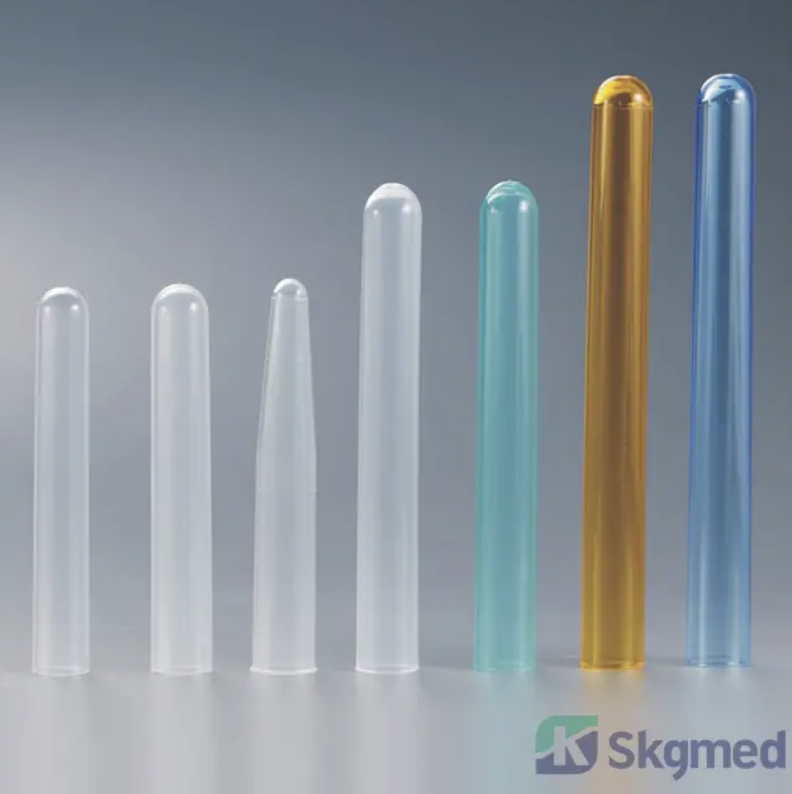
SKGMED offers ESR tubes in various sizes and materials to match lab requirements. Options include PET or glass tubes with clear graduations, ensuring precise measurement. Different volumes allow collection from small pediatric samples to standard adult tests. This flexibility helps labs optimize workflow, reduce waste, and accommodate diverse testing needs efficiently.
| Feature | Available Options |
| Tube Volume | 1.6ml, 2ml, 3ml, 4ml, 5ml, 6ml, 7ml, 8ml, 9ml, 10ml |
| Tube Material | Glass or PET |
| Cap Color | Black for easy identification |
| Anticoagulant | Pre-filled 3.8% Sodium Citrate |
Sterile, Safe, and Ready-to-Use
All SKGMED ESR tubes undergo sterilization, ensuring safe handling and minimizing contamination risk. They are ready for immediate use, saving preparation time. The secure caps prevent leaks and protect samples during transport or storage. This ensures sample integrity, accuracy in measurement, and safe laboratory workflow.
OEM/ODM Support for Labs and Distributors
SKGMED provides OEM and ODM services for ESR tubes, allowing labs and distributors to customize tube branding, volume, and packaging. This support enhances supply chain flexibility and helps healthcare providers maintain consistent lab supplies. It’s an ideal solution for laboratories seeking high-quality, reliable ESR tubes tailored to their operational needs.
Conclusion
This article explains which anticoagulant is used in ESR tube. Sodium citrate prevents clotting and ensures accurate ESR readings. Using high-quality tubes improves reliability and consistency across laboratories. SKGMED ESR tubes are pre-filled, sterile, and ready-to-use for efficient blood testing. They come in customizable sizes and materials to meet different lab needs. These tubes maintain sample integrity, support accurate diagnosis, and simplify lab workflows. SKGMED also offers OEM and ODM services to tailor products for healthcare providers. Their tubes provide dependable, standardized results for inflammation, infection, and autoimmune monitoring.
FAQ
Q: Which anticoagulant is used in ESR tubes?
A: Sodium citrate, typically at 3.2–3.8%, prevents blood coagulation and ensures accurate ESR readings.
Q: Why is sodium citrate preferred for ESR testing?
A: It binds calcium ions, maintaining blood in a liquid state, providing reliable sedimentation and extended sample stability.
Q: Can other anticoagulants be used in ESR tubes?
A: EDTA and oxalates exist but are rarely used. Sodium citrate offers the most consistent and standardized results.
Q: What is the correct blood-to-anticoagulant ratio?
A: A 4:1 blood-to-sodium citrate ratio is standard for accurate ESR measurement.
Q: How do patient factors affect ESR results?
A: Anemia increases ESR, polycythemia decreases it, and plasma protein levels influence red blood cell aggregation and sedimentation. <<<


